Research in Sierra Leone

Studies our members and partners are running, what each one is trying to establish, and where it has reached.

SLASH
Active Salt and hypertensionMRC funded

SLASH

Sierra Leone Salt and Hypertension study · Western Area and Kono

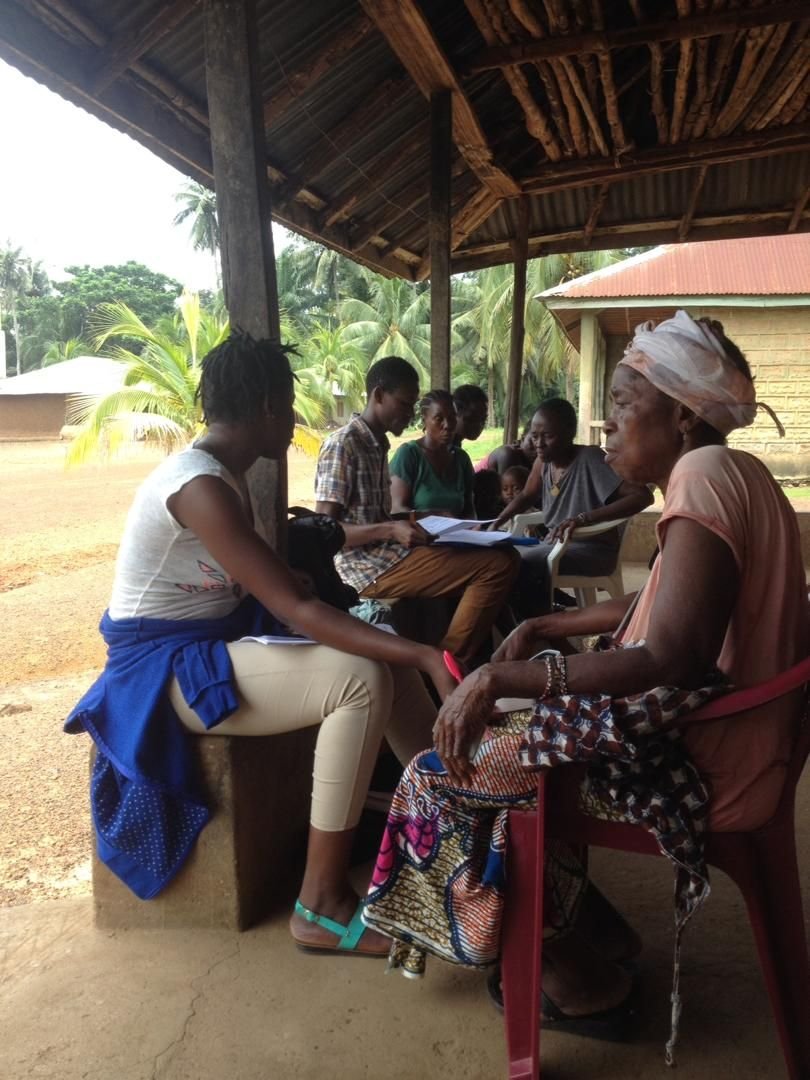
SLASH measures how much salt Sierra Leoneans actually eat and how that connects to blood pressure. Most national salt estimates in this region are borrowed from other countries or based on what people report eating. SLASH uses 24-hour urine collection, the reference standard, alongside household surveys and clinical measurement, so the figures come from Sierra Leone rather than from a model.

The design is a six-stage stratified sample targeting 2,000 households across two contrasting settings: urban Western Area and rural Kono. That contrast matters, because hypertension prevalence in this country is close to double in urban areas.

Data collection begins in Kono district in October 2026 and runs for four months, aiming to match the Western Area numbers. Two field teams will work in parallel, each led by a research assistant.

1,000 household surveys completed in Western Area
270 24-hour urine samples collected in Western Area
1,000 of 2,000 household surveys 50%
  • National estimate of population salt intake from 24-hour urine, the first for Sierra Leone
  • Urban and rural comparison of salt intake and blood pressure
  • Sierra Leone Photographic Food Atlas, for use in future dietary surveys
  • Stakeholder map for sodium reduction policy across government, media, civil society and the food industry
  • Systematic review of the determinants of salt intake across Africa
APPLE-CKD
Completed Kidney and maternal healthBo district

APPLE-CKD

Chronic kidney disease and hypertension after pre-eclampsia

Pre-eclampsia does not end at delivery. Women who experience it carry a raised lifetime risk of hypertension and chronic kidney disease, yet in Sierra Leone there is almost no follow-up after the postpartum period and almost no data on what happens next.

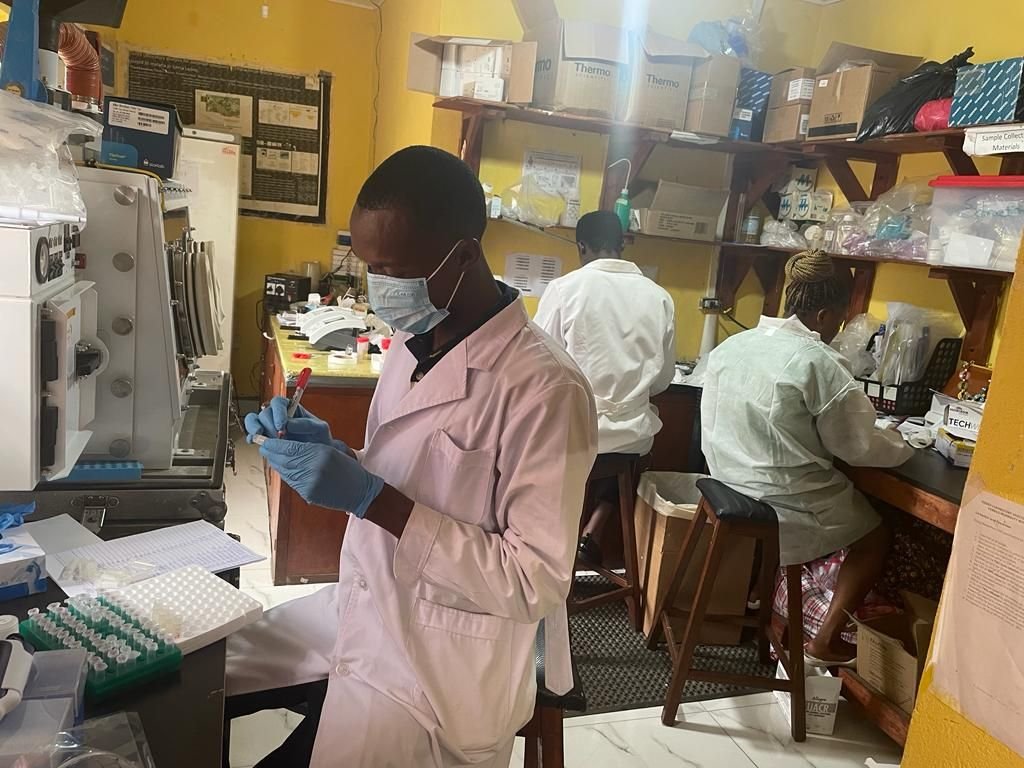
APPLE-CKD is a cross-sectional study comparing salt-related behaviours, blood pressure and kidney function in women with and without a history of pre-eclampsia. Fieldwork runs across Bo district. The aim is to establish whether this group should be followed as a defined at-risk population, and what a realistic follow-up pathway would look like in a system with these constraints.

Analysis is ongoing. The results are being checked and framed against the wider literature before the primary manuscript is finalised.

625 women in the analysis cohort
127 participants with matched urinary biomarker and clinical data
  • Primary manuscript on salt-related behaviours and hypertension after pre-eclampsia
  • A second paper is not yet decided. One line under way uses extracted DNA to examine the APOL1 gene in the study population, and that manuscript is being written
  • Evidence towards a postpartum follow-up pathway for women at raised cardiometabolic risk
Cardiovascular risk and access to care in Bo
Completed Cardiovascular riskHealth system readinessBo district

Cardiovascular risk and access to care in Bo

Wellcome Trust, grant 209921/Z/17/Z · Bo district · King's College London, Birmingham, Njala University and COMAHS

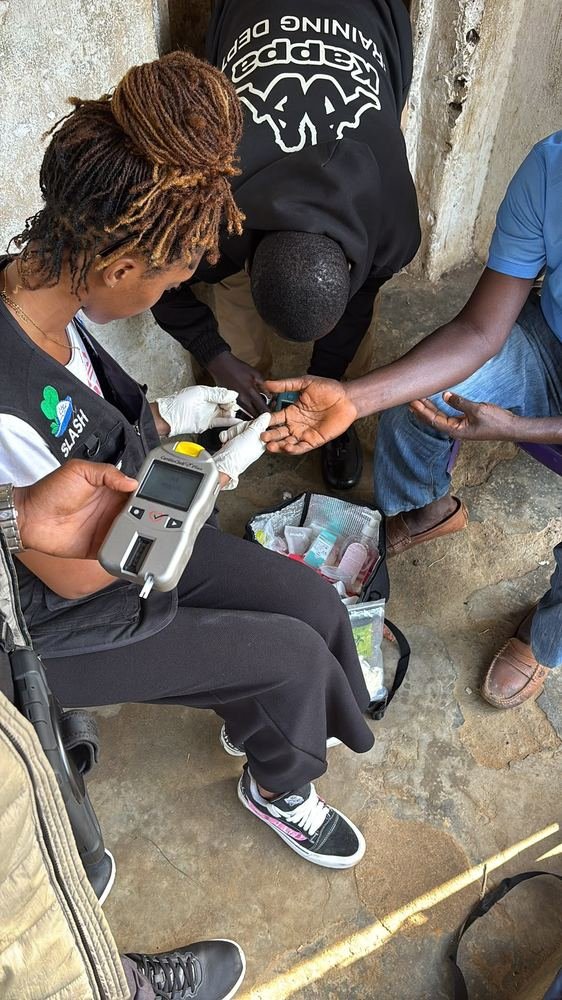
A 2018 household survey of adults aged 40 and over across urban and rural Bo district, funded by the Wellcome Trust. It measured blood pressure, blood glucose and cholesterol in the home, applied the WHO and International Society of Hypertension risk calculator, and then asked a harder question: of the people who needed treatment, how many were actually getting it.

The answer was few. Nearly half met the criteria for hypertension treatment and around one in eight of those was on it. Not one person who needed a statin was receiving one. Alongside the household data the team scored every health facility in the district for its readiness to deliver cardiovascular care, and compared that with readiness for HIV.

The study produced the first published account of the cardiovascular treatment gap in Sierra Leone and remains the reference point for it.

2,071 adults surveyed in their homes across urban and rural Bo
138 health facilities scored for readiness to treat cardiovascular disease
  • First published estimate of the cardiovascular treatment gap in Sierra Leone
  • Facility readiness comparison between cardiovascular care and HIV care
  • Evidence on diet and physical activity risk factors in Bo
  • Qualitative work on how patients and community leaders understand cardiovascular risk
SISLE, the Stroke in Sierra Leone Register
Completed StrokeFreetownCohort register

SISLE, the Stroke in Sierra Leone Register

NIHR, GHR 17/63/66 · King's College London with Connaught Teaching Hospital and 34th Military Hospital

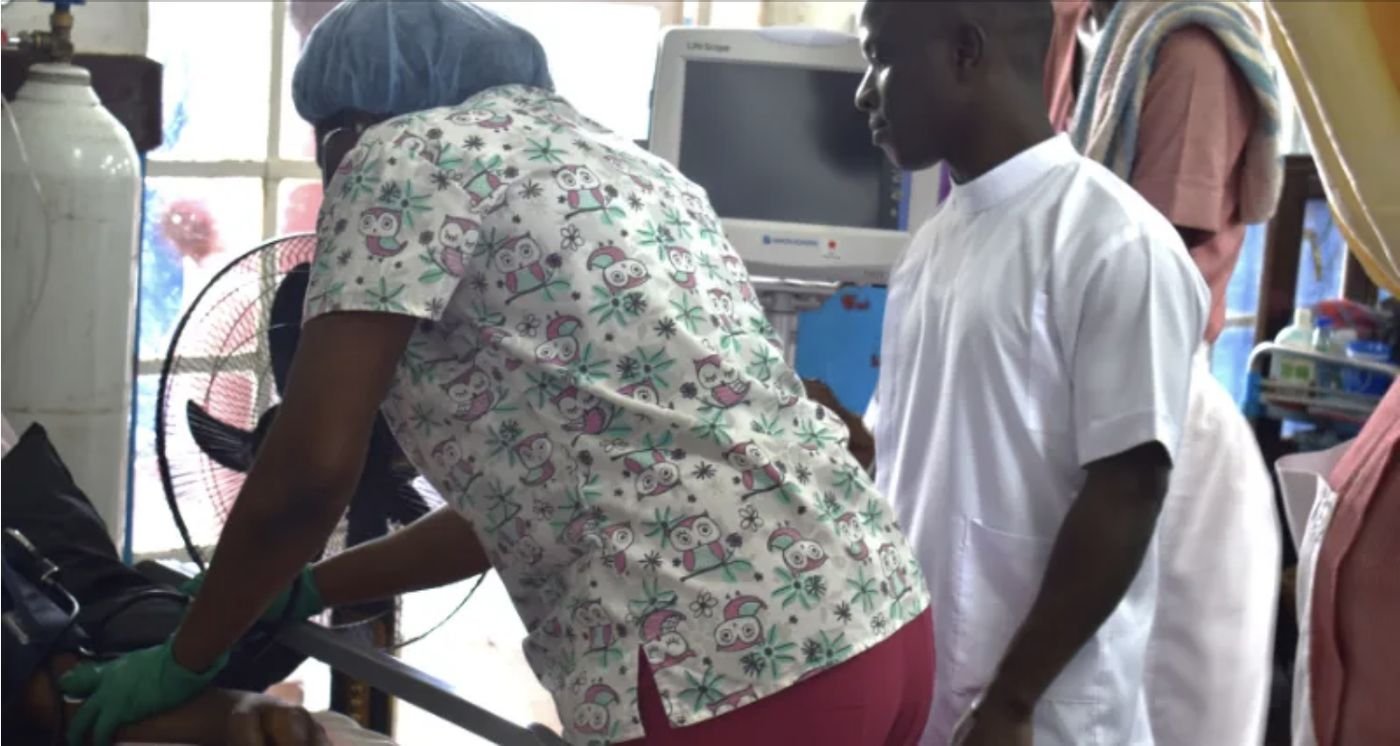
Stroke is where untreated high blood pressure ends. Until SISLE, Sierra Leone had no reliable figure for how many people it kills, how many survive with disability, or what happens to them afterwards.

The register recruited every patient aged 18 and over presenting with stroke at the two main adult tertiary hospitals in Freetown, Connaught Teaching Hospital and 34th Military Hospital, and followed them for a year. It has since been linked with the HEAL-SL verbal autopsy data to estimate how many stroke deaths never reach a hospital at all.

The work is led by Dr Dan Youkee and Professor Catherine Sackley at King's College London with Professor Durodami Lisk and Dr Gibrilla Fadlu Deen in Freetown, funded by the NIHR through the Global Health Research Group at King's.

2 tertiary hospitals covering adult stroke admissions in Freetown
1 year follow-up for every patient recruited
  • First case fatality rates and functional outcomes after stroke in Sierra Leone
  • First quality-adjusted life year estimates after stroke in the country
  • Qualitative work with stroke survivors, carers and health workers
  • Linked analysis with HEAL-SL to estimate stroke deaths occurring outside hospital