SLASH
Sierra Leone Salt and Hypertension study · Western Area and Kono
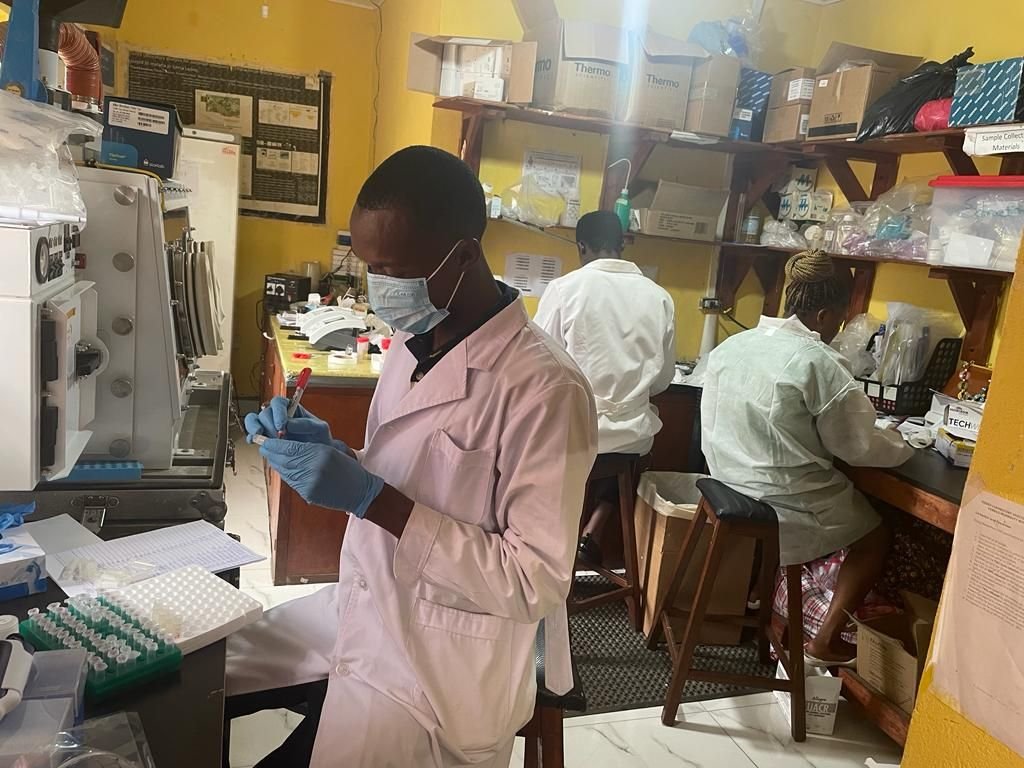
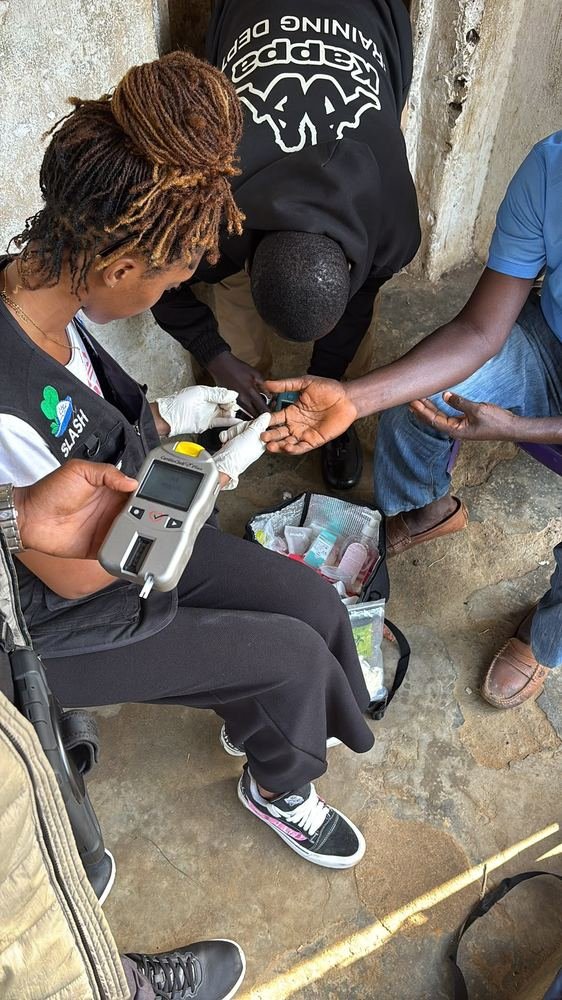
SLASH measures how much salt Sierra Leoneans actually eat and how that connects to blood pressure. Most national salt estimates in this region are borrowed from other countries or based on what people report eating. SLASH uses 24-hour urine collection, the reference standard, alongside household surveys and clinical measurement, so the figures come from Sierra Leone rather than from a model.
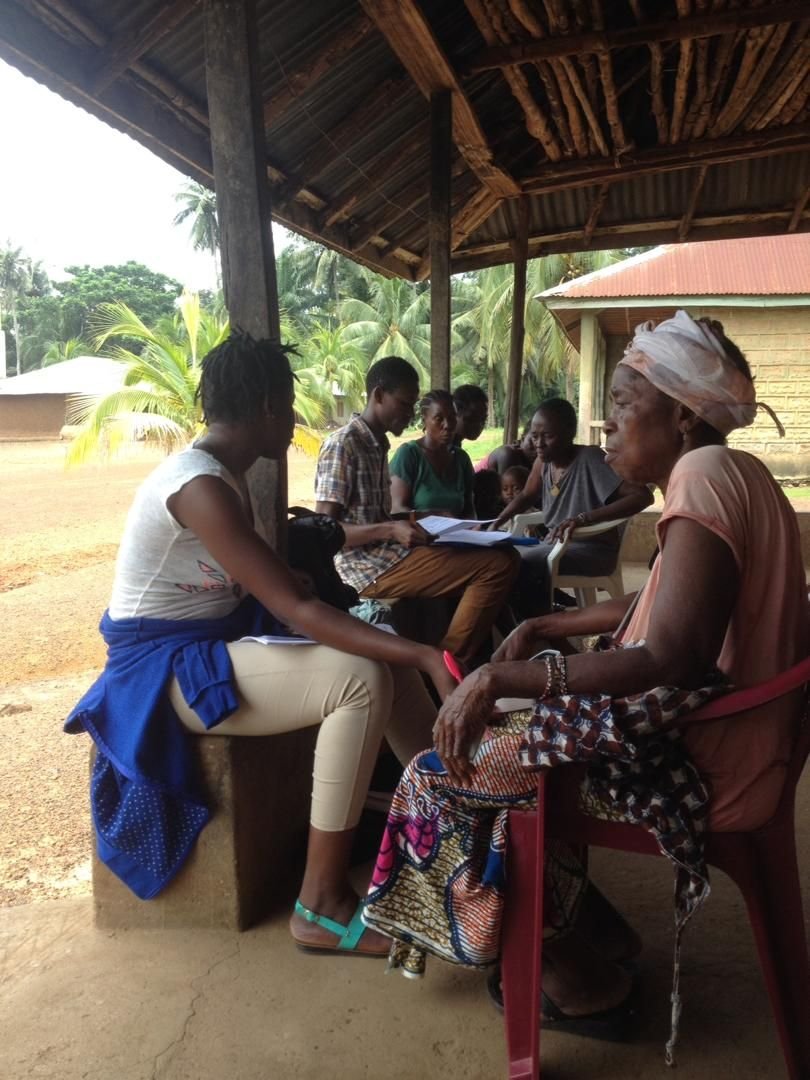
The design is a six-stage stratified sample targeting 2,000 households across two contrasting settings: urban Western Area and rural Kono. That contrast matters, because hypertension prevalence in this country is close to double in urban areas.
Data collection begins in Kono district in October 2026 and runs for four months, aiming to match the Western Area numbers. Two field teams will work in parallel, each led by a research assistant.
- National estimate of population salt intake from 24-hour urine, the first for Sierra Leone
- Urban and rural comparison of salt intake and blood pressure
- Sierra Leone Photographic Food Atlas, for use in future dietary surveys
- Stakeholder map for sodium reduction policy across government, media, civil society and the food industry
- Systematic review of the determinants of salt intake across Africa